Navigating Family Dynamics: The Role of DNA Tests for Siblings in Clarifying Family Bonds
Sibling DNA tests have emerged as valuable tools for understanding familial relationships. They can clarify parentage and reveal connections that were previously unknown. Although these tests offer a window into genetic bonds, they also bring emotional challenges that families need to work through. Such revelations can carry deep implications, sparking inquiries about personal identity and a sense of belonging. What happens when the results challenge long-held beliefs about family? The outcomes have the potential to transform family bonds in ways no one anticipated.
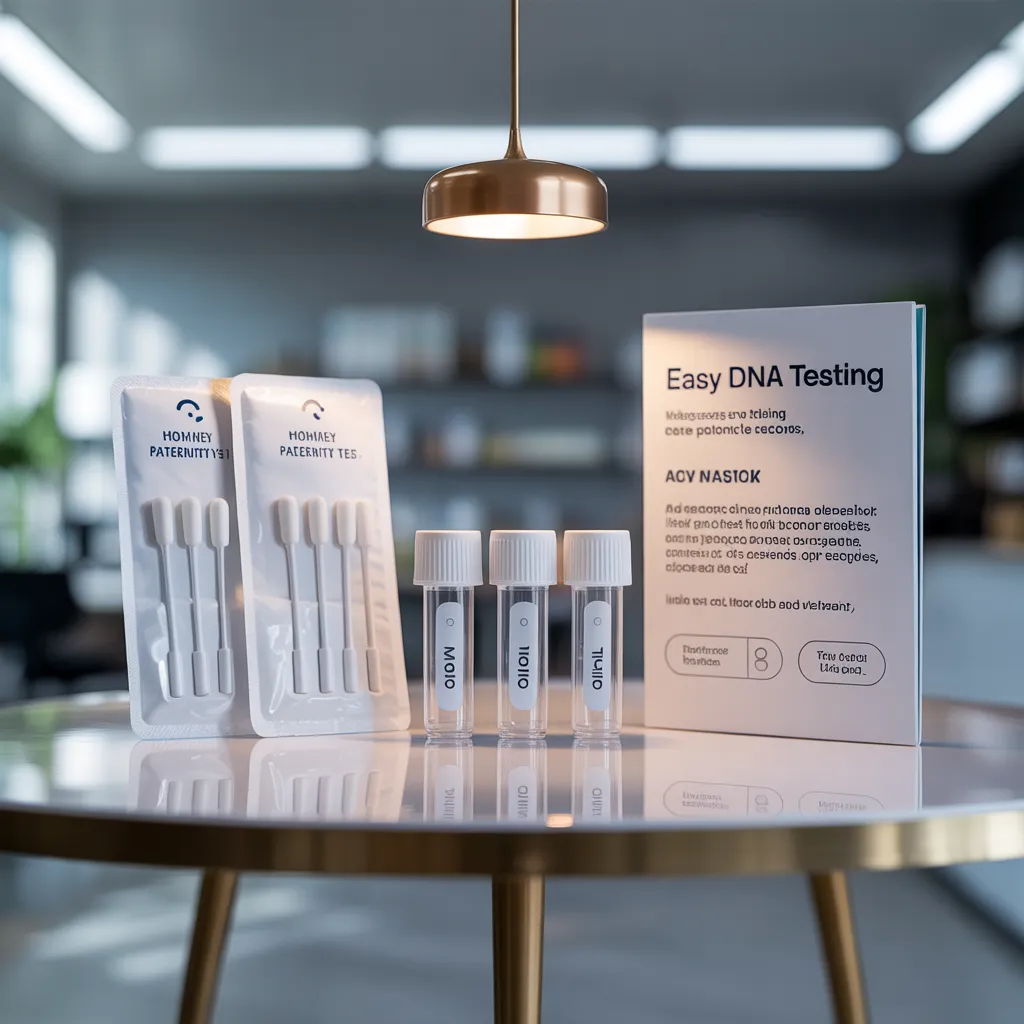
What Sibling DNA Tests Are and Why They Matter
Sibling DNA testing serves as a powerful tool for revealing biological relationships among siblings. These tests analyze DNA markers shared between individuals to assess the chance of the parties being wholly related, partially related, or entirely unrelated. Through the comparison of DNA sequences, people can uncover valuable information about their hereditary relationships, which is often especially important for individuals with intricate family backgrounds or questions surrounding biological parentage.
Comprehending these relationships can significantly impact family dynamics, delivering understanding in situations where familial ties have been challenged or unclear. Sibling DNA tests can also cultivate a sense of belonging and identity, especially for individuals seeking to understand their heritage. Moreover, the results can shape emotional bonds, enabling siblings to process feelings of attachment or separation. As the importance of genetic information increases in society, these tests remain essential for encouraging acceptance and understanding within family structures.
How DNA Testing Exposes Hidden Family Connections
In what ways can DNA testing uncover connections that were not previously known? DNA testing provides a powerful tool for uncovering familial relationships that may not be evident through traditional means. Through the examination of genetic markers, people can uncover biological links to half-siblings, unidentified relatives, or even remote cousins. This method can help untangle intricate family histories, most notably in adoption cases or circumstances where family structures differ from the norm.
The findings can provide valuable information regarding common lineage, hereditary characteristics, and health tendencies. For countless people, this recently discovered understanding can alter their perception of familial relationships and heritage. Furthermore, DNA analysis may reveal unexpected familial ties, prompting individuals to explore ties that were formerly unnoticed. Ultimately, the revelations from DNA tests can greatly enhance a person's knowledge of their ancestral history, nurturing a more profound recognition of the intricate web of relationships that define personal identity.
Emotional Effects of Sibling DNA Tests on Family Relationships
Sibling DNA tests can markedly impact family relationships by revealing unforeseen ties that call into question trust and transparency. Such revelations frequently result in complicated emotional responses, as people struggle with their identities and familial bonds. Recognizing these psychological impacts is essential for handling the outcome of the testing process and sustaining strong familial connections.
Honesty and Transparency Concerns
Trust and transparency issues often emerge among family members when sibling DNA tests are introduced. The process of testing can reveal concealed family secrets, triggering feelings of betrayal among brothers and sisters who once believed they had an uncomplicated relationship. These discoveries can prompt questions regarding the truthfulness of parents and the reliability of family accounts. When findings fail to meet expectations, the emotional consequences can damage relationships, as people wrestle with doubts and feelings of insecurity. Furthermore, the felt need to pursue a DNA test can suggest deeper deficiencies in trust, suggesting that family members may not feel comfortable discussing their relationships openly. As a result, these assessments can unintentionally erode the groundwork of familial trust, further complicating sensitive family dynamics.
Understanding Emotional Responses
When unforeseen results from sibling DNA tests come to light, the emotional landscape within families can shift dramatically. Discoveries about biological relationships can trigger feelings of betrayal, confusion, or anger among siblings. Some may grapple with questions about their identity or the authenticity of their relationships, while others might experience a sense of relief or validation. Navigating these emotions demands open communication and empathy, as siblings face their reactions together. It is vital for family members to create space for individual feelings without judgment, cultivating an environment where healing and understanding can develop. At the end of the day, the influence of these tests can either test or fortify family bonds, depending on the strategy adopted in addressing the emotional aftermath.
How DNA Insights Can Help Strengthen Communication Among Siblings
Recognizing the genetic bonds shared by siblings can enhance their relationship, particularly when conflicts emerge. By using findings from DNA tests, siblings can obtain a better understanding on their biological links, which may illuminate hidden reasons for particular actions or differences. This awareness encourages empathy, as siblings recognize that DNA differences can impact personality traits and preferences.
When disagreements arise, turning to genetic understanding can act as a common basis for conversation. As opposed to assigning disputes purely to individual differences, siblings may recognize that their distinct traits are rooted in their genetic makeup. This acknowledgment can facilitate a more constructive dialogue, encouraging open communication about feelings and experiences.
Ultimately, leveraging DNA insights encourages siblings to approach their relationships with curiosity rather than judgment. Through cultivating a greater awareness of each other's genetic heritage, siblings can build a more encouraging environment that strengthens their connection, even in the face of difficulties.
Genuine Experiences: How DNA Testing Reshaped Family Bonds
Sibling relationships can be profoundly impacted by the revelations brought forth through DNA testing. In one remarkable instance, two brothers, raised apart found out through genetic testing that they were connected through a common biological father, which brought about a touching reunion. Their newfound connection enabled them to exchange memories and personal stories, strengthening their connection.
In another instance, a woman learned that her biological half-sister, whom she believed to be a cousin, was truly a sibling. This discovery encouraged both to investigate their family background together, cultivating a feeling of belonging and mutual understanding that had been absent.
On the other hand, DNA testing at times brings to light unexpected realities, as in the case of a individual who found out he was not biologically related to his brothers and sisters. Although the revelation was startling at first, this knowledge in the end prompted candid conversations and a reinvigorated appreciation for the personal connections that shape one's sense of family, irrespective of biological connections.
Ethical Considerations in Sibling DNA Testing
With the progress of genetic testing offering valuable insights into familial bonds, they simultaneously present significant ethical challenges. DNA testing among siblings has the potential to uncover unforeseen connections, possibly unsettling established family structures and resulting in emotional hardship. The choice to proceed with genetic testing commonly necessitates consent from various family members, prompting important questions regarding personal autonomy and the right to understand one's genetic heritage. Moreover, the revelation of non-paternity or half-sibling ties may give rise to deep-seated feelings of betrayal and uncertainty among relatives.
Privacy concerns also emerge, as genetic information is sensitive and may be misused if not properly protected. The potential for discrimination based on genetic characteristics further complicates the ethical landscape. As a result, it is essential for people contemplating sibling DNA tests to weigh the emotional and ethical ramifications carefully, ensuring that they undertake the journey with complete understanding of its potential outcomes for both themselves and their loved ones.
Future Directions in DNA and Family Ties
In what ways will the evolving terrain of genetic analysis reshape family relationships in the coming years? As scientific advancements unfold, the reach and affordability of DNA examinations are anticipated to rise, permitting more households to explore their genetic connections. This rise in genetic analysis may result in a clearer picture of family bonds, review revealing formerly hidden connections and redefining conventional concepts of kinship.
Additionally, the growth of direct-to-consumer genetic testing might cultivate a culture of awareness regarding family backgrounds and heritages. As a greater number of people engage with their genetic backgrounds, conversations about heritage, ethnicity, and family dynamics will become increasingly prevalent.
However, this development raises questions about personal privacy and informed consent, as families navigate the complexities of sharing genetic information. In the end, the future landscape of genetic testing may foster both stronger family bonds and new challenges, as families learn to adapt to the insights and findings that stem from their genetic heritage.
Common Questions and Answers
How Precise Are Sibling DNA Tests at Establishing Relationships?
Sibling DNA tests are generally accurate, offering a high probability of confirming relationships. That said, findings can fluctuate according to shared genetic markers, with further background often needed to gain a complete understanding of biological ties.
Do Sibling DNA Tests Have the Ability to Identify Non-Biological Connections?
Sibling DNA examinations chiefly identify genetic relationships; nevertheless, they can subtly indicate relationships beyond biology by identifying common genetic indicators. Such discoveries may lead individuals to investigate family connections outside conventional understandings of family.
What Age Is Appropriate for Taking a Sibling DNA Test?
The recommended age for undergoing a DNA sibling test generally starts at 18 years of age, as people at this age are deemed adults who can make well-informed choices. Younger participants often need the consent and support of a parent or guardian for comprehending the test outcomes.
How Are Half-Siblings and Full Siblings Distinguished in Sibling DNA Tests?
DNA tests for siblings differentiate between full siblings and half-siblings by analyzing shared DNA markers. Siblings who are full siblings share roughly 50% of their DNA, while half-siblings share roughly 25%, offering clear distinctions in biological relationships.
Are There Privacy Issues Associated With Sharing DNA Test Results?
Privacy issues emerge when sharing DNA testing results, as persons may unknowingly disclose confidential details about their genomic heritage. This can affect not only the individual being tested but also their family members, giving rise to potential relational tensions.