The Rise of Home Paternity Tests: Accuracy, Privacy, and Convenience
The increasing prevalence of at-home paternity tests represents a notable change in how families navigate paternity confirmation. With accuracy rates commonly reaching beyond 99%, these assessments present a accessible means for DNA sample collection. However, underlying concerns about privacy about personal genetic information remain prevalent. As an increasing number of individuals explore such testing options, they must weigh the implications of accuracy, privacy, and emotional consequences. What elements should they focus on in their decision-making process?
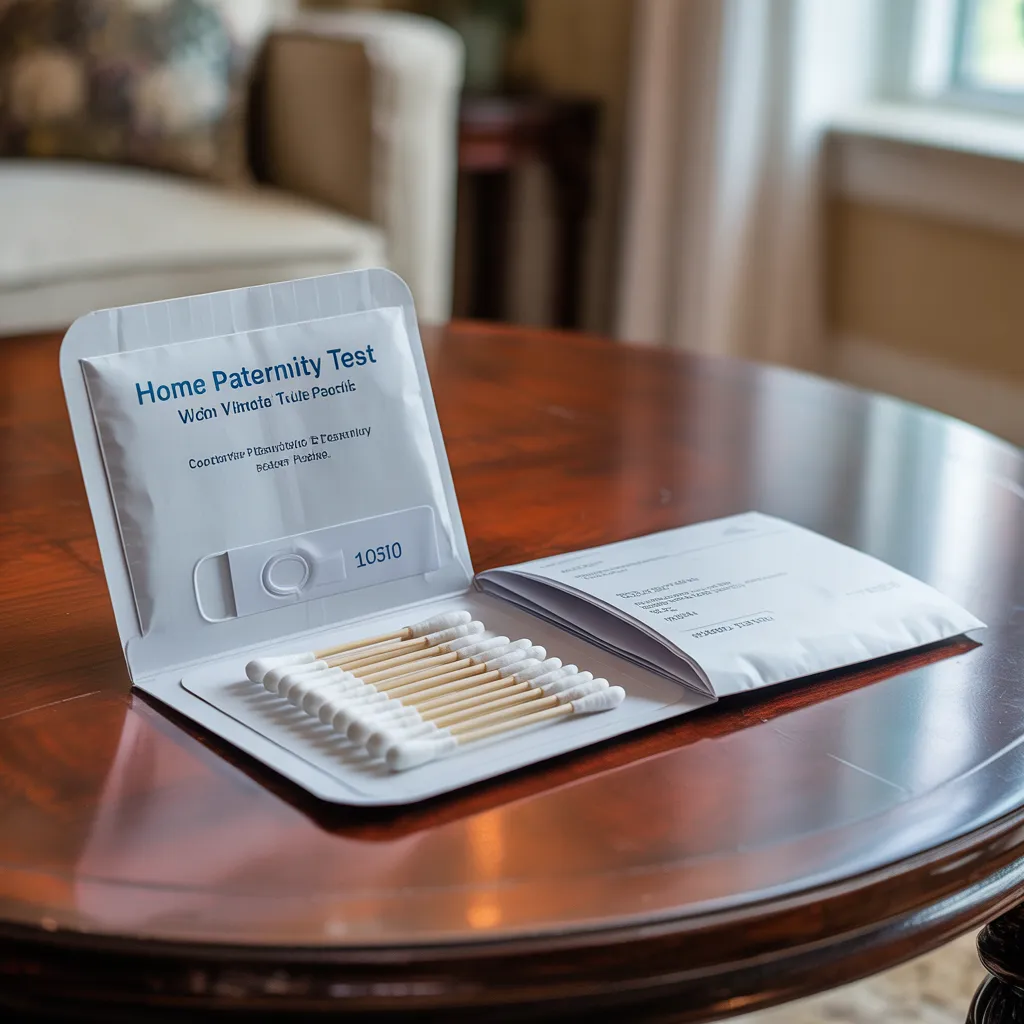
How Do Home Paternity Testing Kits Work?
At-home paternity tests generally operate via a simple procedure centered around collecting genetic material. Individuals receive a testing kit that includes swabs for collecting cheek cells, generally from the alleged father and the child in question. Users are instructed to gently rub the swabs inside their cheeks to gather sufficient DNA material. Once the specimens have been gathered, they are placed in designated containers before being mailed to a lab for examination.
Within the lab, the DNA is collected and examined to determine distinct genetic characteristics. This evaluation matches the DNA samples of the child and the alleged father to determine paternity. Findings are typically ready within a few days, and the procedure is intended to remain user-friendly, providing minimal stress. The convenience of home testing appeals to many, enabling people to find results in the comfort of their personal space. This procedure highlights the assessment's rising demand as a trustworthy solution for paternity verification.
How Reliable Are Home Paternity Tests?
What level of accuracy do home paternity tests provide in establishing biological relationships? Generally, these tests claim to offer a high accuracy rate, often exceeding 99% when conducted correctly. They analyze DNA samples from the alleged father, child, and sometimes the mother, comparing genetic markers to establish a relationship. However, the accuracy can be influenced by factors such as sample contamination or improper handling.
Many home tests employ sophisticated methods akin to those used in certified facilities, yet they may be without the rigorous supervision linked to professional testing. In addition, results can vary between different brands or kits, highlighting the importance of identifying a trusted supplier. While home paternity tests can offer a clear suggestion of familial relationships, individuals should approach them with caution, considering that legal and emotional implications may arise from the findings. At the end of the day, for complete confidence, working with a professional testing facility is advisable.
What Are the Key Privacy Concerns?
Although home paternity tests provide a convenient way to establish biological relationships, they simultaneously present significant privacy concerns. The acquisition and processing of genetic data, commonly obtained through cheek swabs or saliva samples, has the potential to cause improper access or misappropriation. Numerous providers fail to ensure the security of collected samples, leaving individuals vulnerable to security breaches and data exposure.
In addition, the results may be shared with third parties without express consent, amplifying concerns of social stigma or discrimination. Consumers may also be unaware of how their genomic data will be kept or potentially utilized for research purposes.
Moreover, the emotional consequences connected to unforeseen outcomes can create additional challenges within the domain of data privacy. Taken together, while such tests offer ease and accessibility, the lack of stringent regulations and accountability in the handling of personal data generates important inquiries about the privacy rights of individuals and control over their own genetic information.
How Do Test Outcomes Impact Emotional Well-Being?
The psychological impact from paternity test results can be significant and extensive. Individuals may experience a whirlwind of feelings, ranging from relief and joy to feelings of betrayal and anger. For some, a positive match can validate longstanding assumptions, fostering a feeling of belonging and stability. Conversely, a negative result may lead to emotions of uncertainty, bewilderment, and grief, particularly if a familial bond is challenged.
Such feelings may reach beyond the person affected to impact relationships within families. Parents may grapple with guilt or fear concerning what this means for their children, while brothers and sisters may experience changes in how they view family relationships. Moreover, social stigma can exacerbate these feelings, as individuals navigate societal expectations surrounding parentage. In the end, the emotional toll of paternity test results can vary significantly, emphasizing the complicated connection between personal identity, trust, and mental health.
Key Factors for Choosing a Home Paternity Test
Navigating the emotional journey in the wake of paternity test results often leads individuals to consider their options thoughtfully, particularly when selecting a home paternity test. Multiple essential factors deserve attention to guarantee a dependable and favorable outcome.
As a primary consideration, precision is essential; consumers are advised to select tests offering superior sensitivity and specificity scores. Furthermore, usability is of great importance; a straightforward collection process can alleviate stress. Privacy is another significant concern; established organizations ought to assure protected processing of private data and findings.
Expense is also a key factor; potential users should weigh the price against the test's credibility and support services. Lastly, customer reviews and testimonials provide insights into the experiences of others, offering guidance in maneuvering through options. By thoroughly considering these aspects, people can arrive at well-informed decisions that match their personal requirements and goals.
Popular Questions We Receive
Are At-Home Paternity Tests Accepted as Legal Evidence in Court?
Home paternity tests are commonly unable to be used as legal evidence in court due to concerns about accuracy and the lack of standardized procedures. Courts typically require analyses carried out by certified laboratories for reliable legal evidence in paternity cases.
What Is the Turnaround Time for Home Paternity Test Results?
Results from home paternity tests generally take three to five business days to be practical guide processed. A number of companies provide expedited services, reducing the wait time to as little as 24 hours, depending on the specific testing method used.
Is Retesting an Option if I'm Uncertain About My Results?
Certainly, people can repeat the test if not confident in the outcome. It's advisable to wait a short period before repeating the test to confirm accuracy. Speaking with an expert can also help determine the most appropriate course of action.
What Samples Are Required for Home Paternity Tests?
Residential paternity test kits typically require cheek swabs from the child as well as the potential father, although a number of kits are also compatible with samples taken from blood. Correct collection and careful handling of these samples is critical to achieving accurate results.
Are There Age-Related Limitations for Children's Testing?
Generally speaking, there are no strict age restrictions for conducting home paternity tests on children. However, obtaining consent from a legal guardian is typically required, making certain that the child's rights and privacy are upheld during the entire process.