At-Home Paternity Tests: What Are Your Next Steps After Receiving Your Results?
Receiving findings from a home-based paternity test can trigger a variety of emotions. Individuals may sense confusion, relief, or even anxiety as they come to terms with the consequences of these results. Positive results can affect parental custody and support duties, while unfavorable results might strain existing familial bonds. Learning to manage these challenging sentiments and the possible legal consequences is essential. What steps should one take next to ensure support and clarity?
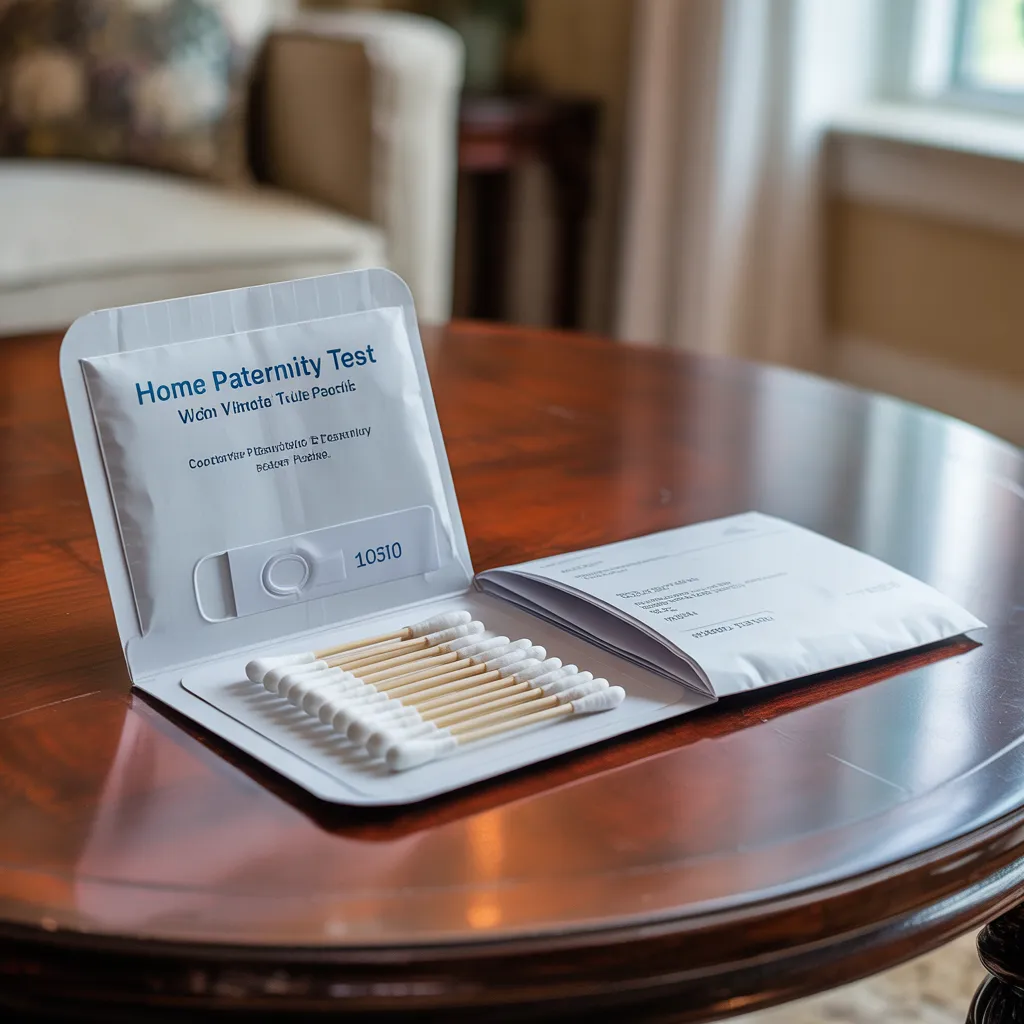
Understanding Your Paternity Test Results
How does one interpret paternity test results? Making sense of these results means identifying the critical components and what they represent. Typically, the test results will show a probability of paternity, often expressed as a percentage. A result reaching 99.9% or more points to a strong probability that the tested person is the biological father. In contrast, a reduced percentage is indicative of non-paternity.
It is important to consider the testing approach utilized, as some home kits may vary in accuracy. Furthermore, results can occasionally be unclear, requiring additional testing or professional guidance. Comprehending the background of the test—such as the family dynamics and reasons for testing—may also offer greater understanding. Ultimately, interpreting paternity test results requires knowledge of genetics and the specific testing process, ensuring that individuals can draw informed conclusions from the data presented.
Navigating Your Emotional Response
Journeying through the emotional terrain following a paternity assessment can be complex and challenging. Those involved may encounter a cascade of feelings, including anxiety, relief, anger, or confusion. The anticipation preceding the findings can intensify these emotions, as uncertainty often breeds fear. When the outcome emerge, they may validate deeply rooted convictions or shatter previously perceived truths, leading to a deep psychological conflict.
A great number of people find themselves grappling with feelings of identity or familial belonging, examining their connections and personal past. It is vital for those affected to accept these emotions and permit themselves the necessary time to absorb the information. Practicing self-reflection or reaching out to a trusted friend or professional may prove beneficial during this difficult time. In the end, acknowledging the legitimacy of one's emotions is a crucial step toward emotional recovery and understanding following the receipt of paternity test results.
How to Discuss Your Results With Family
Receiving the results of a paternity test can profoundly affect family relationships, generating the need for thoughtful conversation. When reviewing results, it is important for people to approach dialogue with sensitivity and clarity. Selecting an appropriate moment and confidential environment facilitates a more transparent conversation.
Starting the conversation with an awareness of the potential emotional weight can aid in reducing stress. It is vital to share emotions candidly and motivate family members to express their ideas and feelings without criticism.
Active listening serves a critical function in such conversations, as it fosters understanding and support among family members. It may also be beneficial to prepare for a variety of responses, from relief to anger, and prepare to address these emotions calmly. Ultimately, maintaining a focus on love and connection can aid in addressing the difficulties that arise from the results, making certain that family relationships endure.
Legal Concerns Surrounding Paternity Test Results
What are the legal consequences of paternity test results? When a paternity test indicates that a man is the biological father, this can influence decisions regarding child support, custody, and inheritance. Legally establishing paternity gives the father the right to visitation and participation in decisions affecting the child's welfare. On the other hand, a negative result may free a man from certain responsibilities, including child support obligations.
Across numerous jurisdictions, residential paternity tests may not bear the same significance as court-sanctioned tests, which can make legal proceedings more complex. If disputes arise, those involved may need to obtain a court-admissible test to determine paternity. Furthermore, the impact of these findings can reach into emotional distress claims, especially if the results differ from expectations. Comprehending these legal consequences is vital for those navigating the challenges associated with paternity testing and its consequences in familial and legal contexts.
Support Resources for Emotional and Legal Needs
Managing the intricacies of paternity test results often demands assistance, both personal and professional. People dealing with ambiguous findings may benefit from counseling services that are dedicated to reproductive issues and family dynamics. These professionals can assist in managing experiences of anxiety, confusion, or conflict that may arise following the test results.
Regarding legal matters, seeking advice from a family law attorney is recommended. These specialists are able to advise on the impact of test results, with a focus on custody arrangements, child support, and inheritance rights. Additionally, local support networks or online communities can deliver shared experiences and community perspectives, cultivating a feeling of connection and empathy.
Services such as legal aid organizations and helplines can also offer prompt support, allowing individuals to feel equipped to reach sound decisions. Utilizing these services can help ease the transition during what can be an emotionally charged process.
Popular Questions
How Reliable Are Home Paternity Tests When Compared to Laboratory Tests?
Home paternity tests typically offer accuracy rates exceeding 99%, similar to professional laboratory analyses. However, elements including how samples are handled and the quality of the test could impact the accuracy of results, making certified lab testing a more dependable alternative for definitive conclusions.
Can I Trust Online Companies for Paternity Testing?
Trusting web-based providers for DNA paternity tests relies on their certifications, customer feedback, and openness. Trustworthy providers regularly supply report detailed information about their methods and findings, boosting trust and dependability for prospective clients considering paternity testing options.
What Samples Can Be Used for Home Paternity Testing?
Paternity testing conducted at home typically uses sample types like blood, saliva, or cheek swabs. Such biological specimens contain the DNA required for precise comparisons between the child and alleged father, guaranteeing dependable outcomes when handled properly.
How Long Does It Take to Receive Test Results?
Results from home paternity tests typically take between three to seven business days to arrive. Variables including the processing speed of the testing laboratory and shipping times may affect how long it takes to receive results.
Do Age Restrictions Apply When Testing Children?
In most cases, there are no firm age requirements for testing children using home paternity tests. However, parental consent is generally required for minors, ensuring ethical considerations are met during the testing process.