The Future of Paternity Testing: Advancements in Home Testing Kits
The landscape of paternity testing is changing at a remarkable pace, especially with the growing popularity of at-home testing kits. Such advancements offer enhanced privacy, convenience, and accessibility. Advanced DNA analysis and mobile app connectivity are becoming a reality. As public viewpoints continue to evolve, individuals are more frequently pursuing resolution on parentage matters. Such changes bring forth critical questions surrounding reliability and ethical considerations, driving a more thorough analysis of how these innovations will impact family structures going forward.
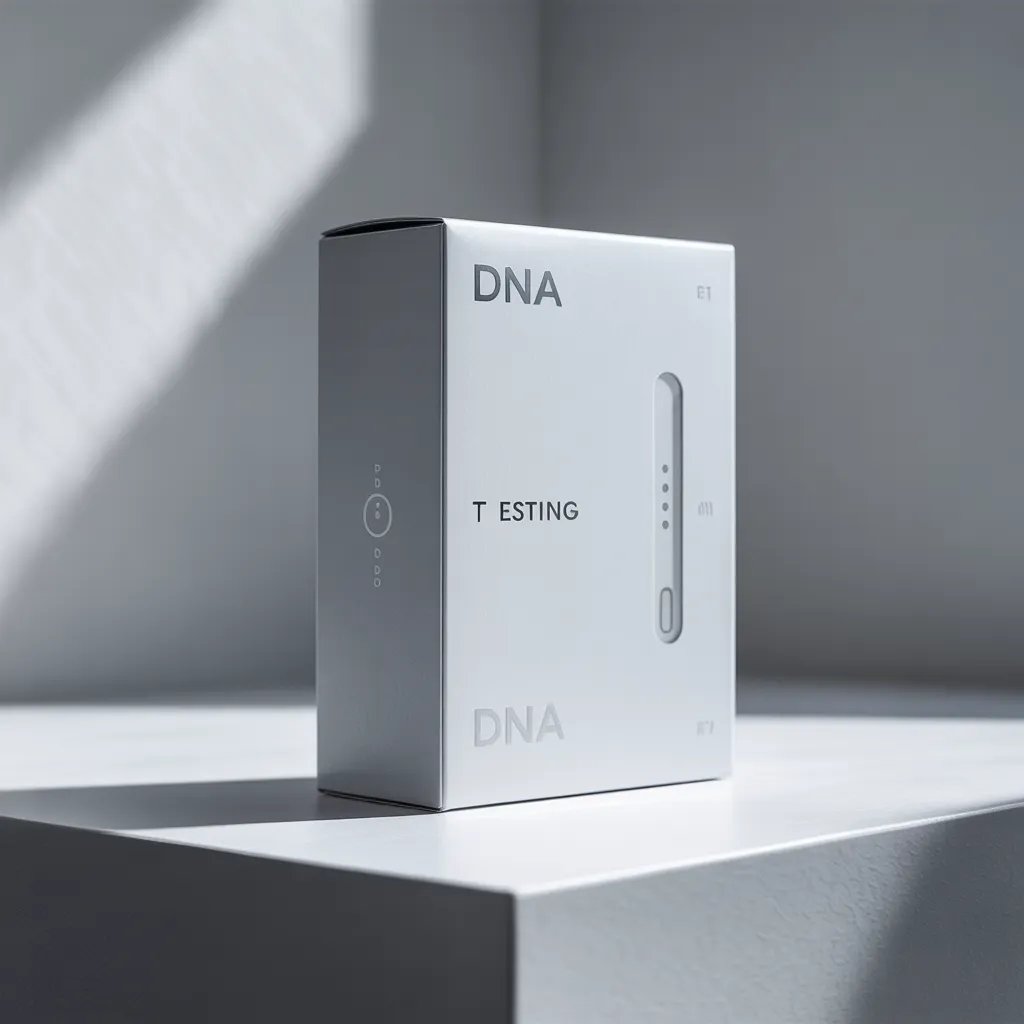
The Rise of Residential Paternity Testing Kits
The emergence of residential paternity test kits has revolutionized the domain of genomic testing, providing individuals a discreet and accessible solution for identifying genetic relationships. These kits, widely available through retailers and online platforms, permit users to collect DNA samples from their children and themselves without the need for professional assistance. The simplicity of the process has democratized access to paternity testing, empowering individuals to answer questions about parentage from the privacy of their own homes.
Breakthroughs in packaging and technological design have enhanced the reliability and accuracy of results, regularly offering insights within a few days. Moreover, the cost-effectiveness of these kits has opened access to a wider demographic, alleviating the stigma associated with seeking such tests. As cultural expectations change, the growing popularity of home paternity testing kits signals a growing demand for openness and individual empowerment in family and identity matters.
How to Use Home Paternity Testing Kits: A Step-by-Step Guide
A great number of users consider using home paternity testing kits simple and easy to use. Initially, participants should ensure they have all necessary components, which generally consist of swabs, a collection envelope, and detailed instructions. Participants must then collect DNA samples, usually through cheek swabs, ensuring the procedure is efficient and complete to prevent contamination.
Next, one should carefully observe the provided guidelines for labeling and sealing the specimens. Correct labeling is crucial for corresponding information upholding the integrity of the samples. When the samples are ready, they should be placed in the supplied envelope and forwarded to the specified laboratory, typically utilizing the pre-paid shipping options provided in the kit.
After sending in the samples, customers usually wait a few days to several weeks for the results to arrive, which are often available via the company's online portal or through direct contact with the testing provider. Adhering to these steps guarantees a smooth experience with at-home paternity testing kits, facilitating reliable results in a convenient setting.
How Reliable Are Home Paternity Tests?
How trustworthy are home paternity tests? The trustworthiness of these tests largely rests on the kit's quality and the correctness of the sample collection procedure. The majority of well-regarded home paternity tests report accuracy rates of over 99%, as long as the instructions are carefully adhered to. However, potential variables, such as sample contamination or improper handling, can affect results.
Additionally, while many kits leverage sophisticated DNA examination technologies, not all are made to the same standard. Individuals should search for tests that are certified by reputable laboratories, guaranteeing stringent standards in quality testing and verification.
It is important to recognize that although home tests provide convenience and privacy, they might not be accepted in legal proceedings. Consequently, people who need authoritative answers for legal reasons should opt for professional testing. In general, home paternity tests can be reliable, however users should handle them with care and careful judgment.
Understanding Legal and Ethical Concerns in Home Paternity Testing
Home paternity tests, despite being convenient and discreet, present notable legal and ethical concerns that users must navigate. A primary concern is the potential for misuse, such as fraudulent claims or disagreements related to custody arrangements and child support. The accuracy of results may also affect legal processes, as courts may not recognize at-home test results in the absence of proper authentication.
From an ethical standpoint, users face dilemmas surrounding consent, particularly when children are part of the equation. Conducting tests without obtaining consent from all parties involved can lead to strained relationships and emotional distress. Moreover, uncovering unexpected parentage can carry deep psychological consequences, affecting family dynamics and individual identities.
Moreover, the lack of regulation in the home testing market calls into question the reliability of the data presented. Individuals must be cautious, ensuring they recognize the impact of the results and the potential consequences on their daily lives and interpersonal relationships.
How Easy Testing Is Shaping Family Relationships
Reshaping familial structures, convenient access to paternity testing has changed the way people navigate questions of parentage and family ties. With at-home testing options easily accessible, individuals can now obtain answers to questions about biological ties without the time-consuming procedures conventionally required for such questions. This ease of access encourages openness within family dynamics, facilitating honest dialogue about biological origins.
Consequently, the negative perception surrounding paternity questions lessens, allowing families to address issues that may have long been suppressed. The ability to verify parentage can result in more meaningful relationships among family members, as ambiguities are addressed. However, this convenience of testing also raises new complications; surprising outcomes can disrupt formerly secure relationships. As families work through these challenges, the harmony between information and emotional repercussions becomes critical. Fundamentally, easy testing is revolutionizing discussions about identity, faith, and family ties, fostering an evolving landscape in family dynamics.
Popular Questions Answered
Are Home Paternity Tests Accepted in Court?
Home-based paternity tests are generally rejected in court owing to questions surrounding chain of custody and accuracy. Legal cases commonly require testing performed by certified laboratories to guarantee reliability and adherence to standards.
Is Paternity Testing Available for Pets?
Pets are able to undergo paternity testing through DNA analysis, which confirms genetic connections. These tests analyze specific markers to confirm lineage, giving breeders and pet owners important details about heritage and health-related matters.
What Are the Typical Costs for Home Kits?
Paternity testing kits for home use typically range between $100 and $300, depending on the specific brand and testing complexity. Costs can vary depending on added options, such as rush results or supplementary sample collection choices.
How Long Does It Take to Receive Results?
Home paternity testing kit results generally take from several days up to two weeks. Processing times may vary based on how quickly the laboratory processes samples and the dependability of the postal service used to send them.
Do Age Restrictions Apply to Testing?
Age limitations for paternity testing usually differ according to each provider's policies. Generally, minors may require parental consent, while adults can test without limitations. It's essential to check specific guidelines for each testing service.