The Evolution of Paternity Testing: Breakthroughs in At-Home Kits
The future of paternity testing is evolving rapidly, especially with the growing popularity of at-home testing kits. These innovations promise greater privacy, convenience, and accessibility. Advanced DNA analysis and mobile app connectivity are becoming a reality. As societal attitudes shift, individuals are increasingly seeking clarity on parentage issues. This transformation raises important questions about reliability and ethical implications, prompting a closer examination of how these advancements will influence family dynamics moving forward.
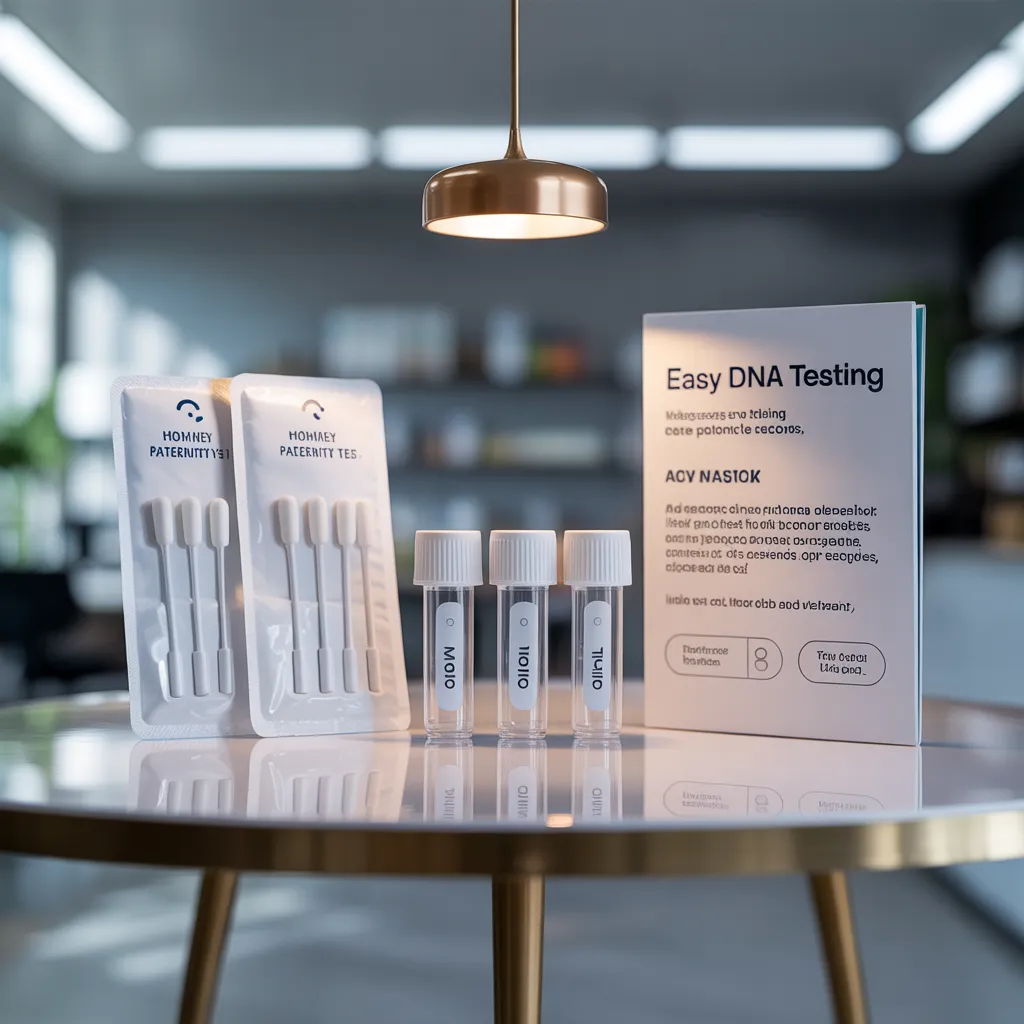
The Growth of Residential Paternity Testing Kits
The emergence of home paternity testing kits has reshaped the field of genetic testing, offering individuals a practical and confidential solution for identifying genetic relationships. Such kits, easily obtainable in stores and online, permit users to collect DNA samples from their children and themselves without the need for professional assistance. The ease of the procedure has democratized access to paternity testing, empowering individuals to resolve questions of parentage within the comfort of their own households.
Innovations in technology and packaging have elevated the accuracy and reliability of findings, frequently delivering information within a short span of days. Moreover, the affordability of these kits has opened access to a wider demographic, diminishing the social barriers linked to obtaining such testing. As social standards shift, the growing popularity of at-home paternity test kits highlights a increasing need for personal autonomy and transparency in matters of family and identity.
How to Use Home Paternity Testing Kits: A Step-by-Step Guide
A great number of users find the process of using residential paternity testing kits uncomplicated and accessible. First, they should verify they have every needed element, typically including collection swabs, a sample envelope, and comprehensive instructions. Users must proceed to obtain DNA samples, commonly via buccal swabs, ensuring the procedure is efficient and complete to prevent contamination.
After this step, one should carefully observe the kit's directions for labeling and sealing the specimens. Precise labeling is critical for preserving sample integrity. Once the samples are prepared, the specimens should be positioned in the included envelope and forwarded to the specified laboratory, often using pre-paid shipping options included in the kit.
Following the mailing process, recipients typically wait several days to weeks for results, which are usually obtainable digitally or through personal correspondence with the testing company. Following these steps ensures a smooth experience with home-based paternity testing kits, enabling reliable results in a convenient setting.
What Is the Reliability of Home Paternity Tests?
How trustworthy are home paternity tests? The reliability of these tests largely copyrights on the quality of the kit and the accuracy of the sample collection process. Leading home paternity test brands advertise accuracy rates above 99%, given that the directions are precisely followed. Nevertheless, certain factors, including sample contamination or incorrect handling, may influence the outcomes.
Additionally, while several testing kits leverage cutting-edge DNA testing technologies, not all are equivalent in quality. Individuals should look for tests that are certified by reputable laboratories, guaranteeing thorough standards in testing and validation.
It is essential to note that while home tests offer convenience and privacy, they explore now are often not recognized in legal contexts. Therefore, individuals seeking definitive answers for legal purposes should consider professional testing. Overall, home paternity tests can be reliable, however users should handle them with care and careful judgment.
Understanding Legal and Ethical Concerns in Home Paternity Testing
Residential paternity tests, while convenient and private, raise significant legal and ethical considerations that individuals must carefully address. A key issue is the risk of improper use, encompassing dishonest claims or conflicts regarding custody and child support. The accuracy of results may also affect legal processes, as judges may fail to accept at-home test results in the absence of proper authentication.
Ethically, users face dilemmas surrounding consent, most notably when underage individuals are concerned. Testing without the consent of all parties can lead to strained relationships and emotional distress. Moreover, uncovering unexpected parentage can carry deep psychological consequences, affecting family dynamics and individual identities.
Furthermore, the insufficient regulatory control in the at-home testing market raises questions about the accuracy of the information provided. People must be attentive, ensuring they understand the implications of the results and the possible effects on their lives and relationships.
How Convenient Testing Is Reshaping Family Relationships
Transforming familial structures, the widespread availability of paternity testing has shifted the way individuals navigate parentage and relationships. With residential testing kits widely accessible, people can now obtain answers to questions about biological ties without the extensive steps conventionally required for such questions. This ease of access fosters clarity in family structures, promoting open discussions about parentage.
Thus, the stigma surrounding paternity doubts diminishes, permitting families to tackle issues that may have remained unaddressed for years. The opportunity to establish parentage can create stronger ties among family members, as questions are addressed. However, this ease of testing also introduces new complications; unforeseen findings can strain once-harmonious relationships. As families work through these challenges, the harmony between understanding and emotional impact becomes essential. At its core, easy testing is reshaping discussions about self-identity, confidence, and connection, fostering an evolving framework in family dynamics.
Questions We Often Receive
Are Home Paternity Tests Accepted in Court?
At-home paternity tests are commonly not accepted in court because of concerns about chain of custody and accuracy. Legal proceedings generally require testing performed by accredited testing facilities to ensure accuracy and compliance with established standards.
Is Paternity Testing Available for Pets?
Yes, pets can be tested for paternity through DNA testing, which confirms genetic connections. Such tests examine particular markers to establish ancestry, offering valuable information for breeders and pet owners regarding ancestry and health considerations.
What Is the Price Range for Home Kits?
At-home paternity test kits usually fall from $100 to $300, based on the brand and type of test. Prices may vary depending on extra features, like rush results or supplementary sample collection choices.
How Long Will It Take to Get Results?
The turnaround time for home paternity testing kits usually ranges anywhere from a few days to two weeks. Processing times may vary based on how quickly the laboratory processes samples and the dependability of the postal service used to send them.
Are There Age Restrictions for Testing?
Age restrictions for paternity testing typically depend on the provider's policies. Generally, minors may require parental consent, while adults can test without limitations. Be sure to verify the particular guidelines set by each testing provider.