The Evolution of Paternity Testing: Innovations in Home Kits
The future of paternity testing is evolving rapidly, especially with the growing popularity of at-home testing kits. These developments bring improved privacy, convenience, and ease of access. Improved DNA examination and mobile application integration are just around the corner. As public viewpoints continue to evolve, individuals are more frequently pursuing resolution on parentage matters. This evolution prompts significant inquiries about dependability and ethical consequences, driving a more thorough analysis of how these innovations will impact family structures going forward.
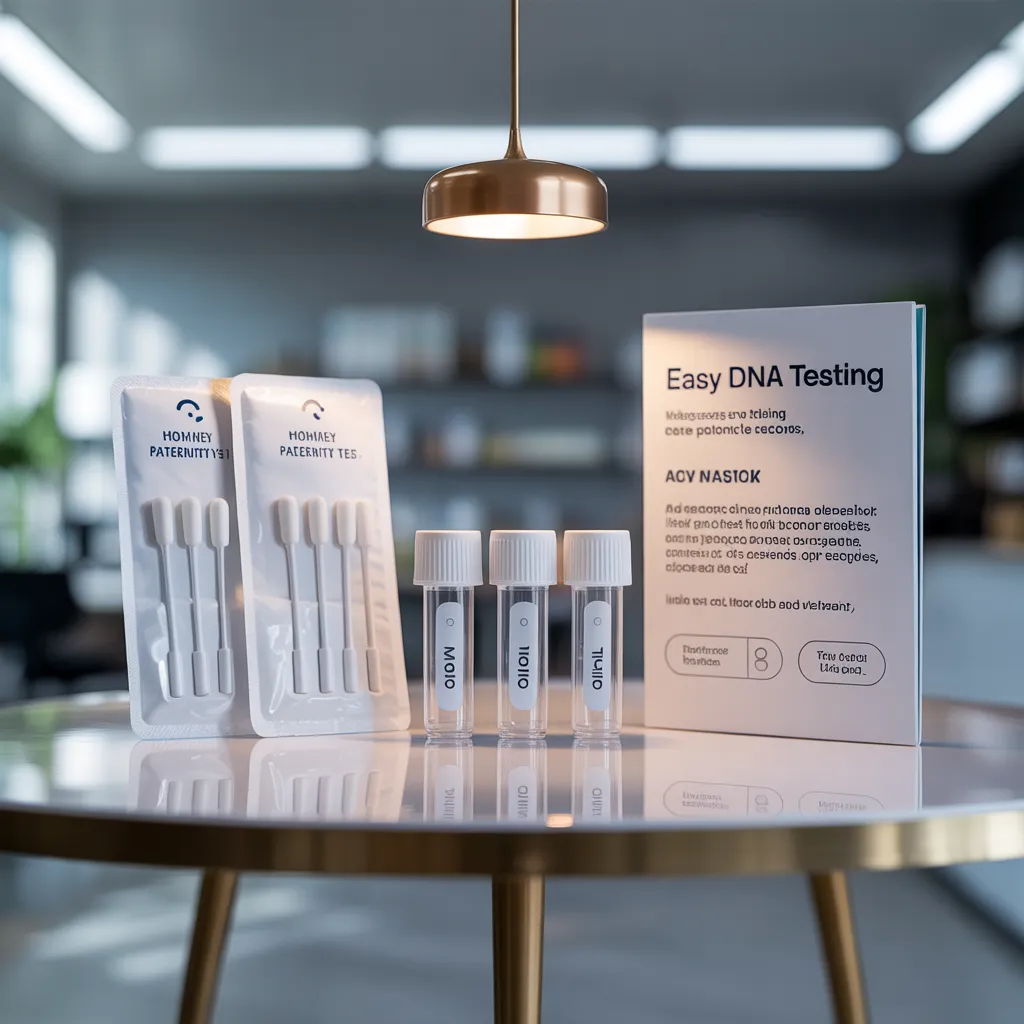
The Rise of Home-Based Paternity Testing Kits
The rise of at-home paternity testing kits has reshaped the landscape of genetic testing, offering individuals a convenient and private solution for determining biological relationships. These testing kits, widely available in stores and online, permit users to collect DNA samples from themselves and their offspring without the need for professional assistance. The ease of the procedure has broadened access to paternity testing, empowering individuals to resolve questions of parentage from the privacy of their own homes.
Innovations in packaging and technological design have improved the reliability and accuracy of results, frequently delivering clarity within a short span of days. Moreover, the accessible pricing of these home kits has expanded availability to a larger population, alleviating the social barriers linked to seeking such tests. As cultural expectations change, the rise of home paternity testing kits signals a growing demand for transparency and personal autonomy in questions of family and personal identity.
A Step-by-Step Guide to Using Home Paternity Testing Kits
A great number of users find the process of using residential paternity testing kits simple and easy to use. Initially, participants should ensure they have all necessary components, which generally consist of testing swabs, a submission envelope, and thorough guidelines. Participants must then collect DNA samples, typically by using oral swabs, ensuring the procedure is efficient and complete to prevent contamination.
Following this, one should carefully observe the accompanying instructions for securing and labeling the specimens. Correct labeling is crucial for ensuring sample integrity. When the samples are ready, the samples should be inserted in the supplied envelope and shipped to the appropriate laboratory, frequently making use of the pre-paid postage options supplied with the kit.
Following the mailing process, individuals generally wait days to weeks for results, which are usually obtainable digitally or through personal correspondence with the testing company. Following these steps provides a straightforward experience with at-home paternity testing kits, allowing for accurate results in a comfortable setting.
What Is the Reliability of Home Paternity Tests?
How dependable are home-based paternity tests? The dependability of these tests primarily depends on the quality of the testing kit and the precision of the sample collection method. Most reputable home paternity tests claim accuracy rates exceeding 99%, provided that the instructions are meticulously followed. That said, various elements, such as contamination of the sample or mishandling, have the potential to impact the final results.
Additionally, while a number of testing kits use state-of-the-art DNA testing technologies, not all are made to the same standard. Consumers should seek tests that are validated by recognized laboratories, ensuring thorough standards in examination and validation.
It is important to recognize that although home tests provide convenience and privacy, they might not be accepted in legal proceedings. As a result, those requiring conclusive results for legal matters should pursue professional testing. Overall, home paternity tests have the potential to be accurate, yet individuals must use them with prudence and careful consideration.
Exploring Legal and Ethical Considerations in Home Paternity Testing
At-home paternity tests, despite being convenient and discreet, raise significant legal and ethical considerations that consumers need to be aware of. A key issue is the potential for misuse, encompassing dishonest claims or conflicts concerning child custody and financial support matters. The reliability of test outcomes can also impact legal proceedings, as courts may not recognize home test outcomes without adequate verification.
Ethically, users face dilemmas surrounding consent, particularly when children are part of the equation. Conducting tests access now without obtaining consent from all parties involved can lead to strained relationships and emotional distress. Moreover, the mental and emotional impact of discovering unforeseen parentage can be far-reaching, influencing family relationships and personal identities.
In addition, the insufficient regulatory control in the at-home testing market prompts concerns about the credibility of the data presented. Users must be cautious, ensuring they recognize the implications of the results and the potential consequences on their well-being and personal connections.
How Accessible Testing Is Influencing Family Relationships
Transforming familial structures, the widespread availability of paternity testing has shifted the way people approach biological connections and family relationships. With residential testing kits widely accessible, families can now find clarity on questions about genetic relationships without the extensive steps historically linked to such investigations. This accessibility promotes transparency in familial relationships, encouraging honest dialogue about family lineage.
Consequently, the negative perception linked to paternity questions diminishes, encouraging families to confront problems that may have gone unresolved for extended periods. The capacity to validate parentage can foster more meaningful relationships among family members, as questions are settled. However, this ease of testing also presents new challenges; unanticipated discoveries can destabilize formerly secure relationships. As families work through these challenges, the balance between knowledge and emotional consequences becomes essential. Fundamentally, accessible testing is transforming dialogues about self-identity, trust, and inclusion, establishing an dynamic framework in family dynamics.
Popular Questions Answered
Are Home Paternity Tests Accepted in Court?
At-home paternity tests are commonly rejected in court due to issues regarding accuracy and chain of custody. Legal proceedings typically require assessments carried out by accredited testing facilities to ensure reliability and adherence to standards.
Can Pets Be Tested for Paternity?
Yes, pets can be tested for paternity through DNA testing, which establishes genetic relationships. Such tests examine particular markers to establish ancestry, offering valuable information for breeders and pet owners regarding ancestry and health considerations.
How Much Do Home Kits Cost?
Paternity testing kits for home use generally cost from $100 to $300, according to the brand and type of test. Pricing may differ according to extra features, such as faster turnaround times or additional sample collection methods.
How Long Does It Take to Receive Results?
Results from home paternity testing kits typically take anywhere from a few days to two weeks. Processing times may vary based on the speed of laboratory processing and the reliability of the mail service chosen for submitting samples.
Are There Age Restrictions for Testing?
Age-related requirements for paternity testing generally vary based on the provider's guidelines. In most cases, minors will need parental consent, whereas adults are able to test without any restrictions. Be sure to verify the particular guidelines set by each testing provider.