Become a Certified Nursing Assistant With Expert CNA Training
Becoming a Certified Nursing Assistant (CNA) offers numerous advantages in the medical field. With professional training, people acquire crucial skills and knowledge required for effective patient care. The growing demand for CNAs guarantees job security and possible career growth. Comprehending the training process and certification requirements is vital. What factors should prospective CNAs evaluate as they begin on this path? Exploring this can illuminate the journey ahead.
Top Reasons to Start a Career as a CNA
Being a Certified Nursing Assistant delivers many benefits that appeal to individuals seeking a gratifying job in healthcare. One significant advantage is the potential for immediate patient care, allowing Certified Nursing Assistants contribute positively to patients' wellbeing. The requirement for Certified Nursing Assistants is growing, providing career security and numerous employment opportunities within diverse locations, including hospitals, nursing homes, and home health care.
Moreover, the training involved to become a CNA is moderately concise, allowing people to enter the labor market rapidly. This availability makes the profession an enticing option for those wanting to start a career in healthcare without extensive formal study. CNAs further have the potential to advance in their careers in the healthcare field, paving the way for supplementary education and qualifications. Ultimately, the integration of job stability, individual fulfillment, and career advancement prospects establishes becoming a CNA a compelling option for many future healthcare workers.
Core Skills You'll Master in CNA Coursework
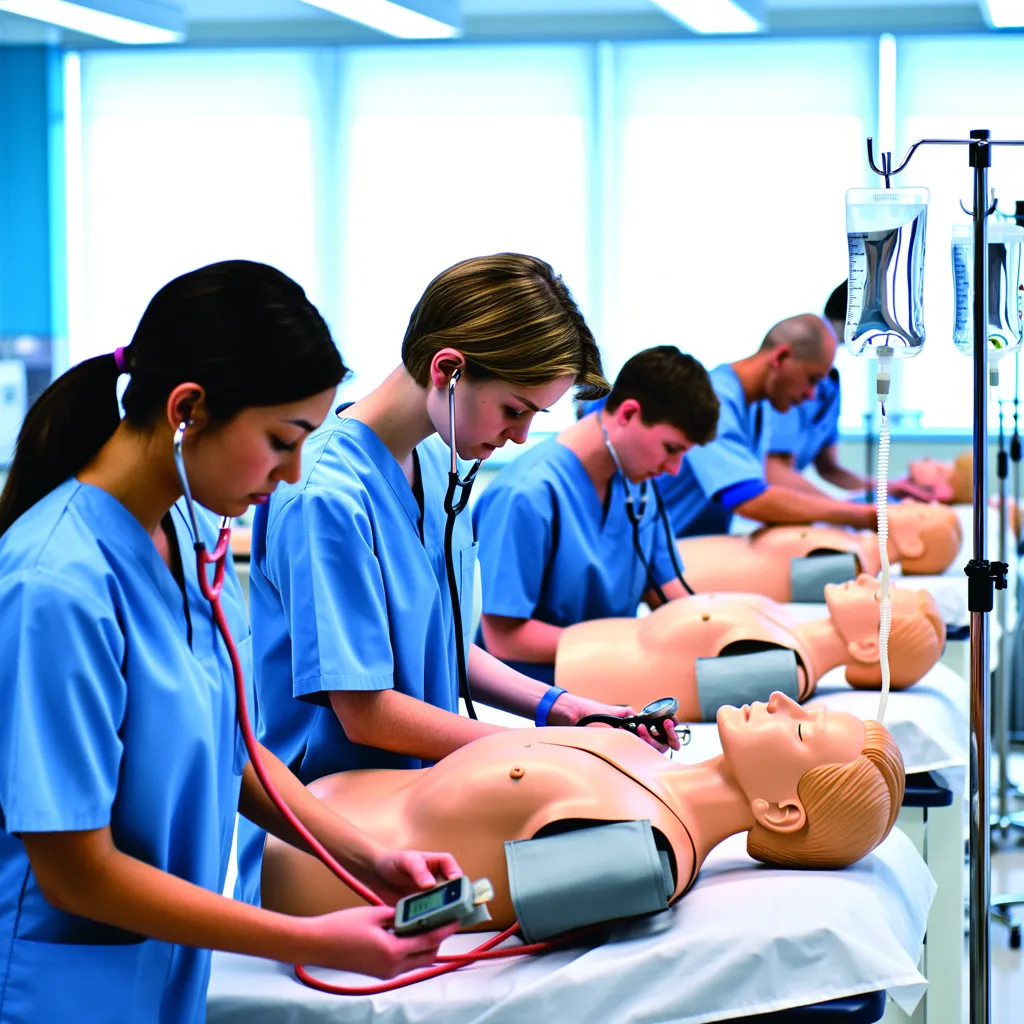
CNA training equips individuals with a crucial set of competencies necessary for rendering quality patient care. One of the main competencies developed is strong communicative abilities, allowing CNAs to interact with compassion with patients and their families. Additionally, students learn critical observation methods, enabling them to assess vital signs and relay information to nursing staff precisely.
Personal care proficiencies, such as bathing, dressing, and feeding patients, are core elements of the training, making certain that CNAs can help patients with daily activities. Infection control methods also make up a significant part of the curriculum, highlighting sanitation and safety standards vital to hinder the spread of illness.
Additionally, CNAs gain abilities in essential clinical skills, including supporting patient mobility and employing medical equipment. In general, the training includes a well-rounded approach to healthcare delivery, preparing individuals to fulfill the diverse needs of those they serve competently.
Understanding the CNA Training Process and Credential
The CNA educational experience includes numerous essential aspects, addressing an overview to training standards, effective approaches for exam success, and available career advancement. Understanding these ideas is necessary for future healthcare aides as they progress toward their certification goals. Every dimension contributes a vital purpose in securing a successful transition into healthcare employment.
CNA Course Mandates Outline
While aspiring healthcare professionals might feel overwhelmed by the certification procedure, understanding the training requirements for Certified Nursing Assistants (CNAs) is critical. To become a CNA, individuals must complete a state-endorsed training program, typically involving both book learning and clinical training. Most programs call for a minimum of 75 hours of training, though some states may require additional hours. Candidates are also required to pass a background check to protect safety in healthcare settings. Upon completion, they become eligible to take the certification exam. Additionally, some states may impose specific prerequisites, such as age requirements or high school diploma validation. Being familiar with these regulations can smooth the path to becoming a certified professional in nursing.
Strategies to Ace Your Certification Exam
Successfully completing a state-approved training program marks a substantial milestone for prospective CNAs, yet the journey continues there. Preparing for the licensing test demands a focused approach. Candidates should review the content covered during their instruction, highlighting important topics such as patient care, security procedures, and disease prevention. Utilizing practice exams can help acquaint them with the exam format and query styles. Additionally, forming learning teams can promote collaborative learning, allowing candidates to clarify concerns and reinforce knowledge. Time management is essential; setting a learning timetable guarantees thorough coverage of all subjects. Finally, keeping a positive mindset and doing stress-relief methods can reduce test-induced anxiety, improving overall performance on test day.
Career Placement Options Available
Completing CNA training creates a range of job options, as many healthcare facilities actively source certified nursing assistants to address their staffing needs. Hospitals, nursing homes, and assisted living facilities are among the leading employers, often presenting accommodating shifts to accommodate various schedules. Additionally, CNAs may uncover opportunities in rehabilitation centers, home healthcare agencies, and outpatient clinics. With the surging demand for healthcare services, job security for CNAs remains dependable. Many training programs also furnish job placement assistance, pairing graduates with potential employers. Networking within the healthcare community and utilizing online job boards further maximize employment prospects, making the shift from training to the workforce smoother for newly certified nursing assistants.
Essential Advantages of CNA Certification
Earning CNA certification yields substantial rewards that strengthen both career opportunities and individual advancement. Fundamentally, it provides aspirants with essential abilities and insight required to render excellent patient care. This training cultivates assurance and competence in diverse healthcare settings, which can substantially improve job performance.
Also, certification often result in improved job security, as many employers prefer or require certified candidates. This qualification not only broadens the scope of potential employment but also boosts earning potential. In addition, CNAs regularly gain valuable experience that can serve as a stepping stone for advanced positions in the healthcare field, such as nursing.
From a individual perspective, the certification process encourages compassion and communication skills, essential traits for effective patient engagement. Ultimately, becoming a certified nursing assistant equips individuals with a solid foundation for a gratifying career in healthcare, while fostering a sense of satisfaction through helping others.
CNA Career Openings
CNA employment prospects are abundant and cover a variety of employment settings, including hospitals, nursing homes, and home health care. This diversity not only offers adaptability in employment settings but also opens routes for professional growth. As CNAs gain experience, they may explore advanced training and specialization, enhancing their career development.
Heterogeneous Occupational Contexts
broad range of skills required for effective patient care
Career Progression Paths
Examining ways to advance careers can uncover a variety of opportunities for Certified Nursing Assistants. Armed with foundational skills and experience, CNAs can transition into roles such as Licensed Practical Nurse (LPN) or Registered Nurse (RN) by pursuing additional education and training. Numerous facilities provide tuition reimbursement, motivating further studies. Furthermore, CNAs might seek specialized certifications in fields like geriatrics, pediatrics, or mental health, boosting their expertise and skills. Management positions, including CNA supervisor or nursing home administrator roles, become available, offering chances to lead. Building networks within healthcare settings can open doors to these developments. Ultimately, through dedication and ongoing learning, CNAs can significantly advance their careers and offer greater contributions to patient care.
How to Successfully Complete the CNA Certification Exam?
Successfully completing the CNA certification exam requires deliberate planning and a strong command of the coursework. Aspiring CNAs should begin by examining the assessment outline issued by their state's licensing board, prioritizing essential topics including direct care, safety, and effective communication. Utilizing practice tests is essential, as they familiarize test-takers with the question format and question types.
Incorporating collaborative learning sessions can improve learning by allowing candidates to explore difficult topics and share insights. Time management during the exam is critical; candidates should work on managing their speed to guarantee they address all questions.
In addition, applied skills in a clinical venue is indispensable. Candidates should seek openings to show competence in fundamental skills like taking important signs and assisting with activities of daily living. All in all, extensive preparation and steady practice greatly enhance the odds of accomplishing the CNA certification assessment.
Often Posed Questions
What Salary Can a Certified Nursing Assistant Anticipate?
An average wage for a CNA usually falls from $25,000 to $35,000 per year, influenced by elements like experience, location, and the exact healthcare facility where they are employed.
Can I work as a CNA Without a License?
No, people cannot function as a Certified Nursing Assistant (CNA) without credentials. Most states require structured education and successful completion of a certification exam to ensure critical competencies and expertise for caring for patients.
What is the standard length of CNA coursework?
CNA education typically find out about this takes four to twelve weeks, differing based on the program and state requirements. This duration blends both classroom instruction and practical hands-on training to secure sufficient preparation for the licensing exam.
Do Age Requirements Exist When Working as a CNA?
There are commonly no stringent age standards to work as a Certified Nursing Assistant. However, many training programs require candidates to be at least 18 years old, while some may accept younger individuals with guardian permission.
What Represent the Recertification Training Requirements for CNAS?
CNAs are generally obligated to complete a certain set of credits in professional development or training every two years as ongoing necessities. This guarantees they keep up-to-date with best practices and sustain their certification.